ORIGINS Institute
ORIGINS
An Introduction

Whether you make art, study it, or—like so many of us—simply love to look at it, you may have noticed a change in how art is now approached.
In our museums and universities, art in the service of ideology has become the order of the day. The art object is treated as if its true value were simply to illustrate ideas.
Quality, formal excellence, and the pursuit of beauty come second—if they are remembered at all. It is indisputable—the art world is engaged in a Crisis of Meaning.
ORIGINS is inspired by a different approach—one grounded in the Western tradition: formalism.
Formalism is the study of art’s formal elements—line, color, texture, composition, to name just a few. It’s specifically interested in how the arrangement of formal elements create expression. We hold that what is primary in art is the profound experience that occurs when the viewer confronts the highly expressive, formal composition of an art object.
The point is simple. Ideas—and ideology—are abstract. Before they can have any presence in art, they must be given formal shape—we call this The Shape of Ideas. Because of this, ideas are always of secondary importance to form.
More than that, ORIGINS holds that the appreciation of form is innate to the human being. It is not an acquired taste directed by the academy. It is a critical part of being human, and its roots are in our very biology—this is The Biology of Form.
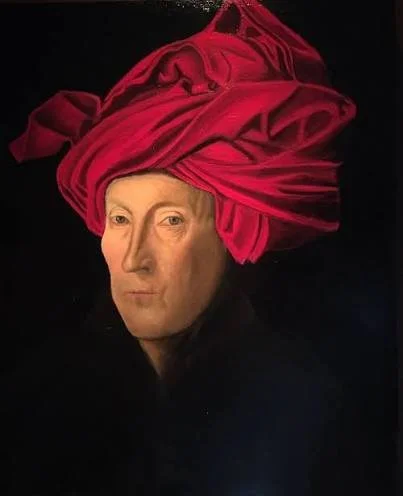
Recent advances in neuroaesthetics allow us for the first time to trace how the brain processes a work of art. Form is evaluated first, and if the brain finds the composition compelling, reward systems engage. The brain ranks the significance of form ahead of ideas.
This judgment of form arrives in about one-third the time it takes to blink—before conscious thought can construe subject matter.
If the complexity of the work continues to hold the brain’s attention, networks ordinarily given to inward thought and self-reflection remain in play—this was not anticipated. The brain does not consider a great work of art to be a mere object in the room, like a piece of furniture. The brain takes an art object’s formal structure into the viewer’s inner life, as something profoundly meaningful and deeply satisfying. That deepening is what the eminent art historian Lorenz Eitner described as the object’s "power to rouse our senses to a state of responsive happiness which communicates itself to our whole being.”
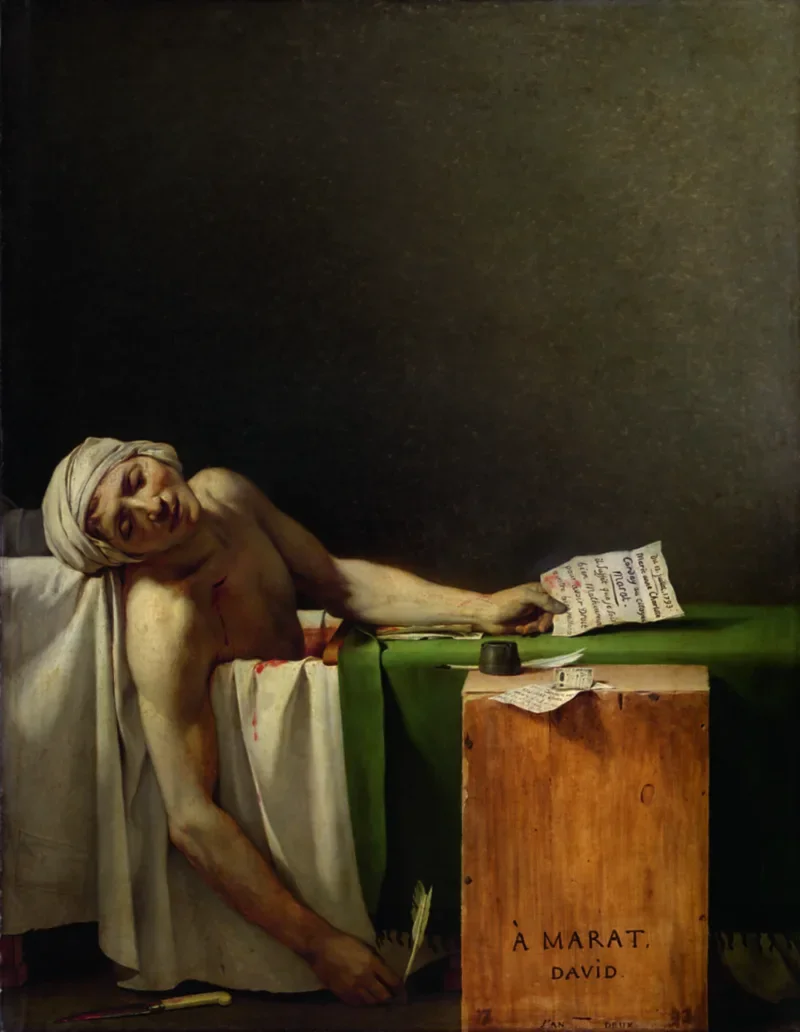
Quality, formal excellence—even beauty—are not empty words, nor are they subjective opinions. They describe something in the object: an expressive organization of form that does not come and go with fashion. The brain is built to recognize that organization. When the formal composition of a work is strong and compelling, the brain’s response follows, and that capacity to answer expressive form is part of our biological origins. The Brain on Art proves it.
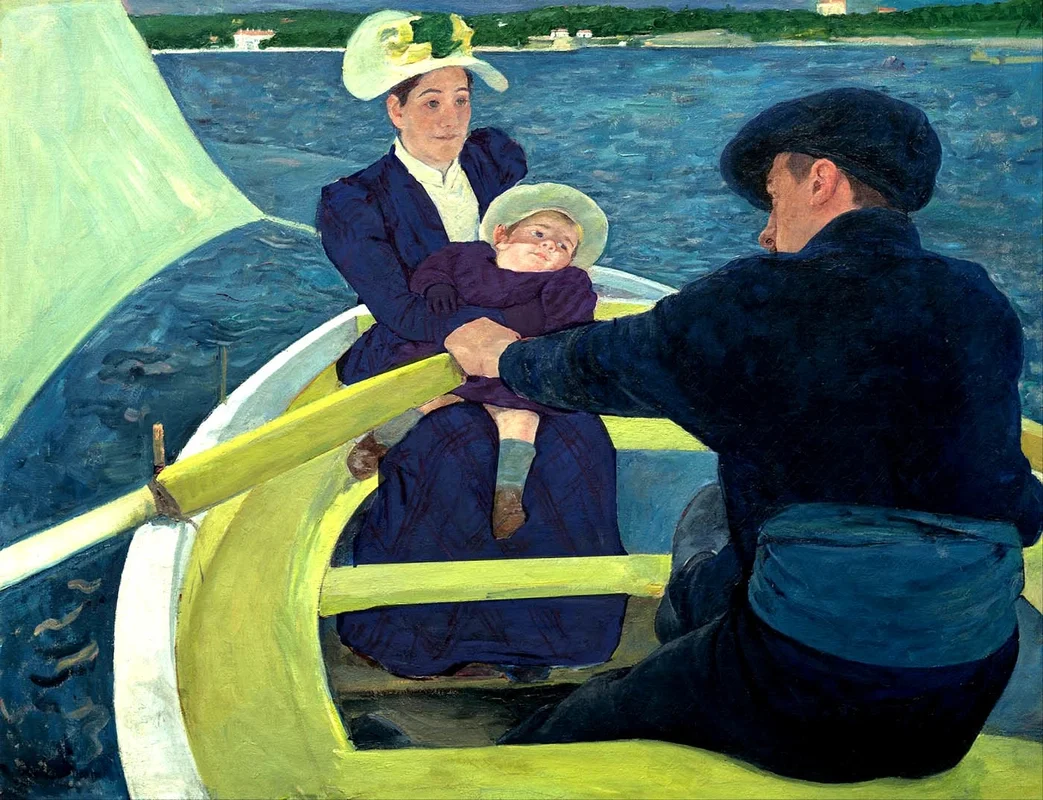
Ideas, biography, historical context, political theory and ideology are all values that attach to art. Worthy of study?—absolutely. But they do not create the power of the art experience—form does.
ORIGINS asks only that the viewer be allowed to encounter a work of art in a way that is natural to the human being. What any museum owes the viewer is the chance to look without being instructed. If the object is formally compelling, the response will come—involuntarily, deeply felt, and personal. That is not naïveté. It is placing trust in a capacity we possess innately.
Beauty has a biology. Because it does, we do not have to be told what to feel or think when viewing art. We just have to let the experience happen.
That’s easy, and it’s natural—it’s in our origins.
ORIGINS is dedicated to the teaching, advocacy and exhibition of a tradition-based, formalist approach to art. We publish and lecture on the topic extensively. Neuroaesthetics is foundational to our mission—it shapes how we write about art, advocate for art, and design exhibitions.
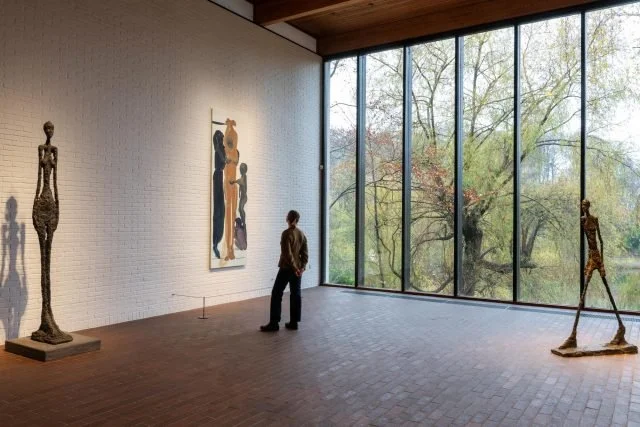
Neuroaesthetics is also guiding the design and construction of Our New Museum. The new ORIGINS museum—we call it a “sanctuary”—is designed as a “Cultural Village” and will possess all the innovations we have developed to make the encounter with art profoundly rewarding.

The “Cultural Village” design of the new ORIGINS museum.
We are currently recruiting members to our Board of Trustees, an international body that provides governance and direction to ORIGINS. If you have an interest or any questions, please contact us at this email address: Founder@origins.institute.
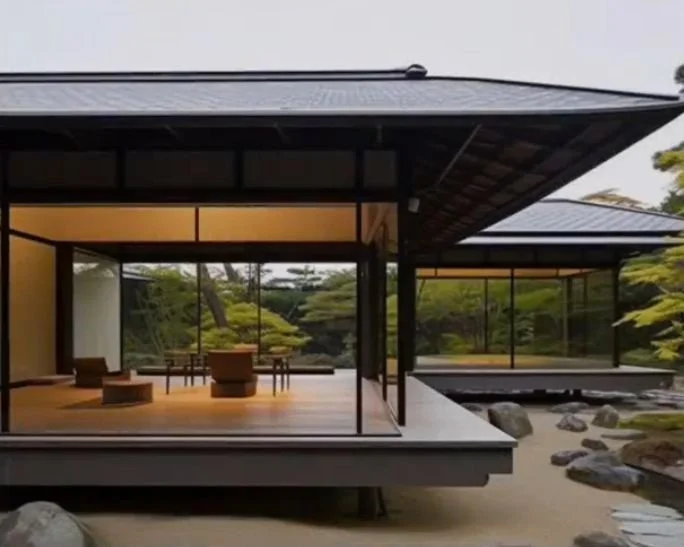
A prototype of a pavilion in our new museum. (by Kengo Kuma architects)
Simply click on this link, and you will receive a free subscription to our newsletter: Join/Contact ORIGINS. You will stay informed of all our activities and events. We include articles about exhibitions and collections around the world related to formalism. We also provide a forum for ideas and opinions related to our mission: to promote formalism in art.
Index of the ORIGINS Website:
ORIGINS: An Introduction Formalism has been nearly abandoned in museums and universities in favor of ideology. Origins demonstrates that this is a misunderstanding of how the human brain innately evaluates art—it prioritizes form over ideas.
I. A Crisis of Meaning
Universities and museums have redefined art as an intellectual and political exercise. Counter to this is the tradition of formalism, which places the primary emphasis on the viewer’s transcendent experience of an object’s formal design.
II. The Biology of Form
From early hominin collecting to Neanderthal marks, childhood scribbling, and Paleolithic cave painting, the evidence converges: the human instinct to create, evaluate and appreciate form is an innate part of us and our biology.
III. The Brain on Art—Neuroaesthetics Neuroaesthetics traces the brain’s response to an encounter with a “compelling” formal composition. Form is judged in a fraction of a second; and reward follows before subject matter can be evaluated. When the work is strong enough, inward reflection stays in play, and the object is absorbed into the viewer’s inner life.
IV. The Shape of Ideas
Ideas depend on form for expression; form does not depend on a great idea. A slight subject, masterfully made, can become a masterpiece—hence Cezanne’s Apples and van Gogh’s Chair. Even the most significant and relevant content cannot rescue a weak formal composition.
V. Our New Museum
The new ORIGINS museum will be a cultural village of small pavilions and gardens, built so that a few masterpieces can be encountered without fatigue, ideology, or haste.
VI. Join/Contact ORIGINS Simply sign up for our newsletter and you can stay informed of everything in the art world that relates to ORIGINS. We always provide a list of our events and activities…it’s free!
VII. Founder Meet our founder—Dr. Michael DeMarsche
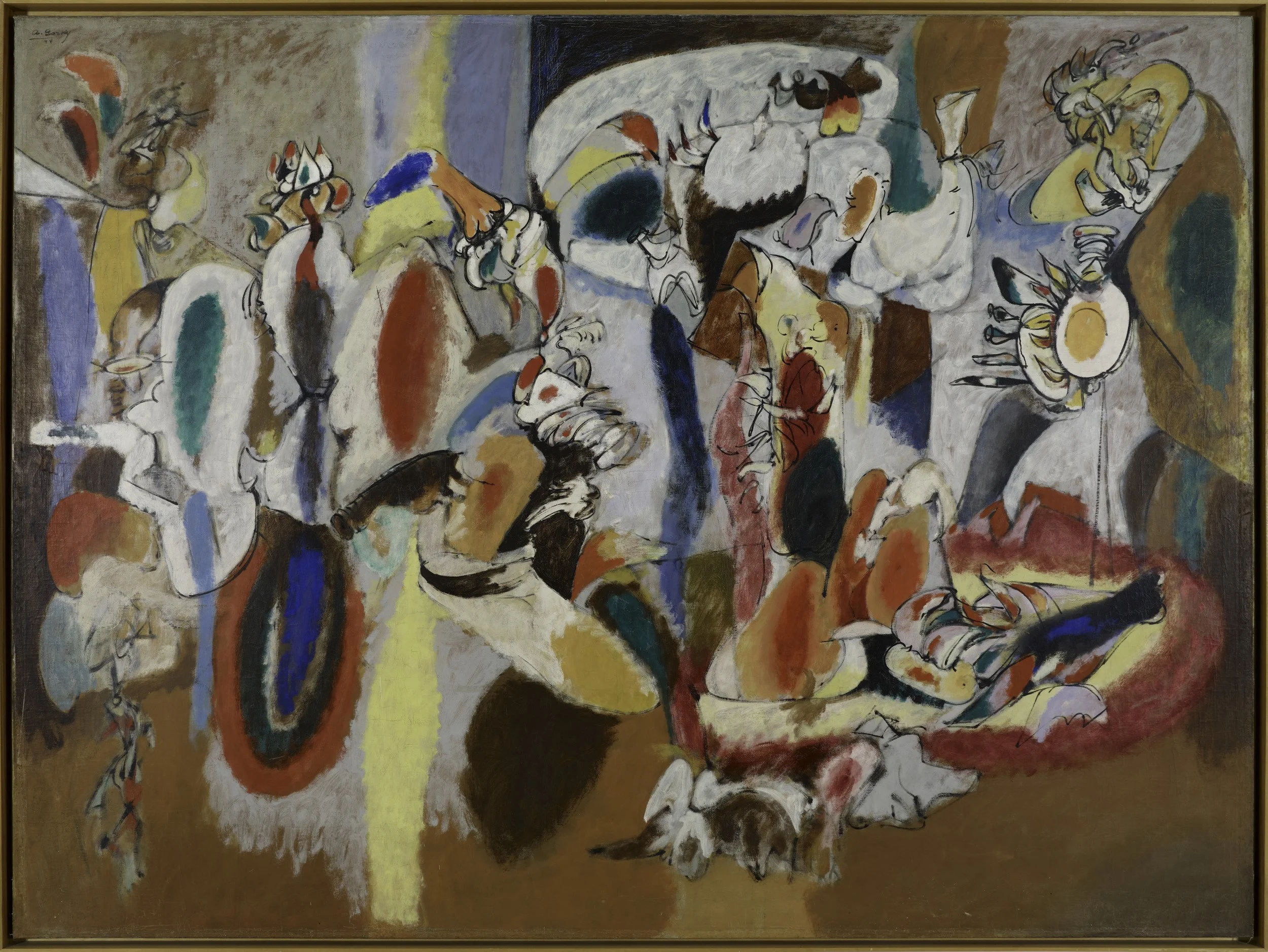
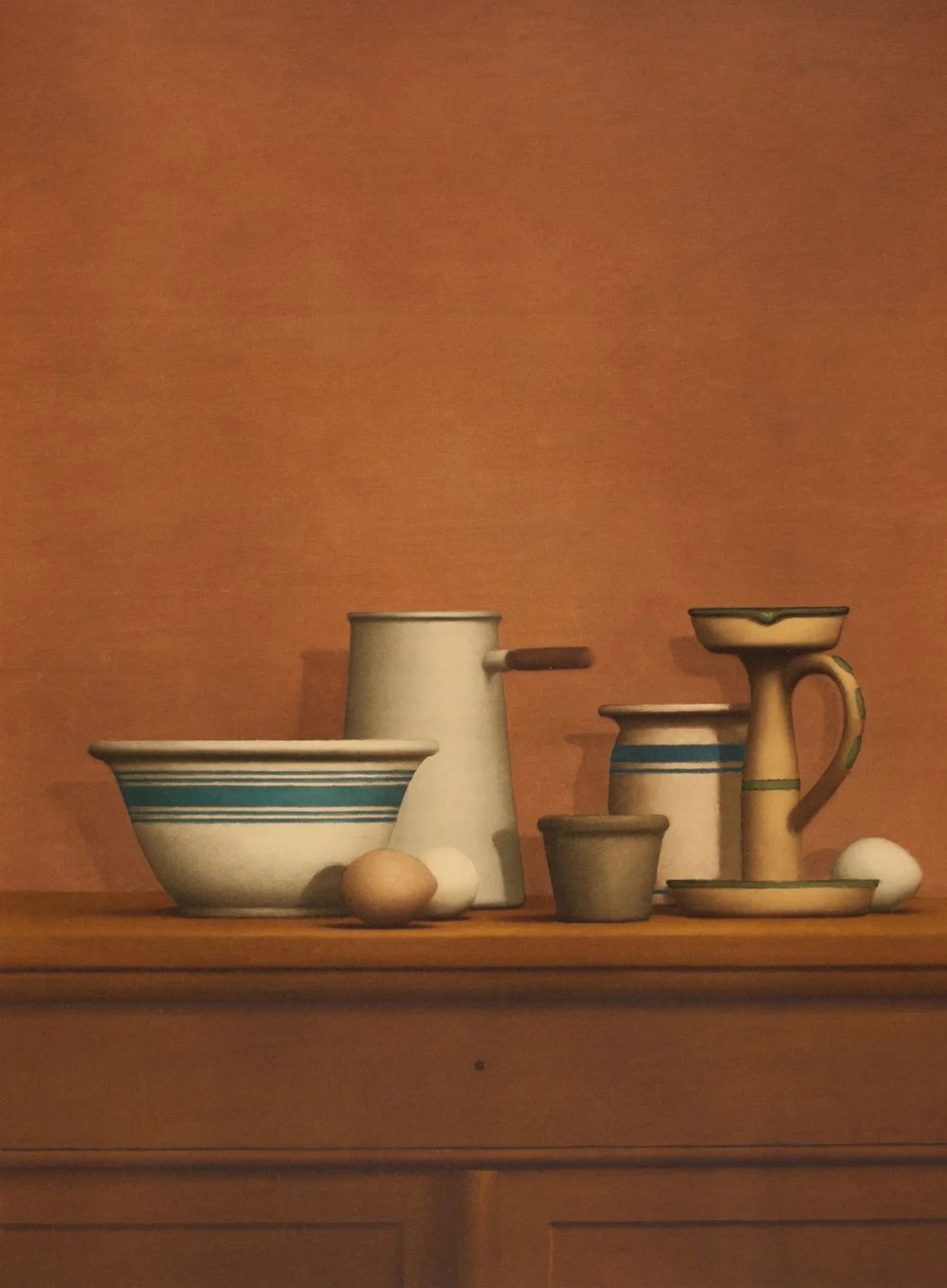

You see, no matter how many times people tell you stories about what music means, forget them. Stories are not what the music means at all. Music is never about anything. Music just is. Music is notes, beautiful notes and sounds put together in such a way that we get pleasure out of listening to them, and that's all there is to it.
—Leonard Bernstein, from his Young People’s Concerts Series